


What is Specialty Coffee?
Specialty coffee refers to high quality coffee beans that score 80 points or higher on the Specialty Coffee Association (SCA) scale. It’s grown in ideal climates, carefully processed, and roasted to highlight flavour. In short, it’s coffee that prioritises quality, transparency, and taste over mass production.
What defines specialty coffee?
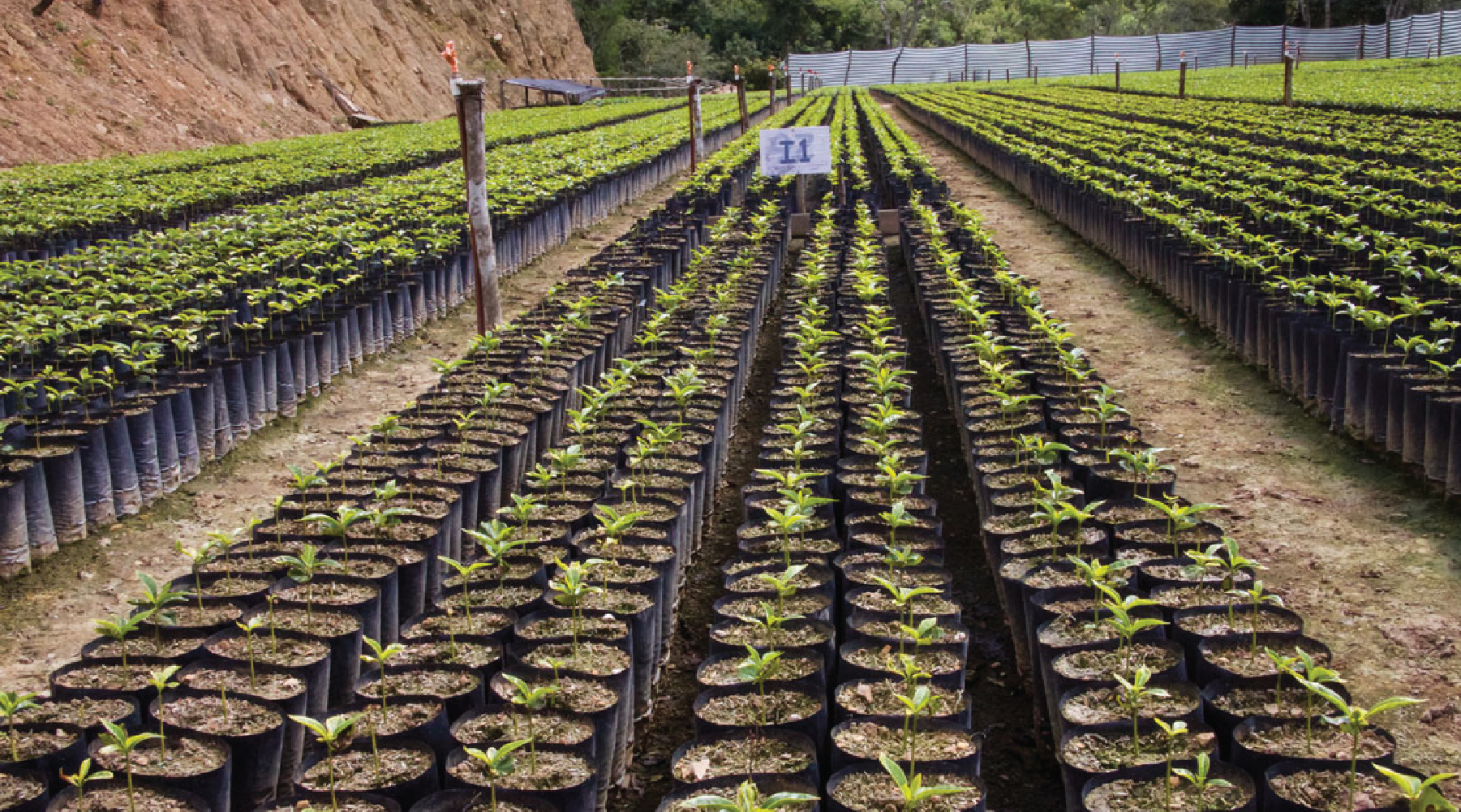
At its core, specialty coffee is all about quality — and that quality is measured and maintained at every stage of the process.
Think about a cup of the worst instant coffee and then compare it with the most amazing, mind-expanding brew you’ve ever had. The difference between those two (aside from brewing skill) comes down to the quality of the coffee beans used. Instant coffee uses commodity-grade beans, while small-batch specialty roasters like Rumble focus on higher-grade, carefully sourced coffee.
Specialty coffee also considers the entire journey from farm to cup, including growing conditions, harvesting, processing, and roasting; with the goal of bringing out each coffee’s unique flavours and characteristics.
When did Specialty Coffee start?
Specialty coffee can be traced back to the late 20th century when a few passionate individuals in the industry started to focus on quality over mass production.
At the time, mass produced, generic coffee dominated the market, and they wanted to instead focus on the unique, diverse flavours that could be achieved by using superior beans and roasting techniques. This laid the foundation for what we now know as the ‘third wave’ of coffee.
What is the Specialty Coffee Association (SCA)?
The Specialty Coffee Association (SCA) is a global organisation founded in 1982 to create a global community dedicated to pursuing exceptional coffee.
They set rigorous standards for coffee quality, which include grading beans based on their size, shape, and defects.
To be considered specialty coffee, beans must score at least 80 out of 100 points on the SCA’s grading scale. This ensures that only the best coffee makes it to your cup.
How is coffee scored?
Coffee is scored by a process called cupping, where trained professionals (known as ‘Q-Graders’) taste and evaluate coffee based on factors like flavour, balance, aroma, and absence of defects.
At Rumble we use cupping to evaluate coffees before we buy them and how we come up with our tasting notes.
To be considered ‘specialty,’ a coffee needs to score over 80 points. However there’s debate around if this score is high enough or if it truly represents ‘good coffee’.
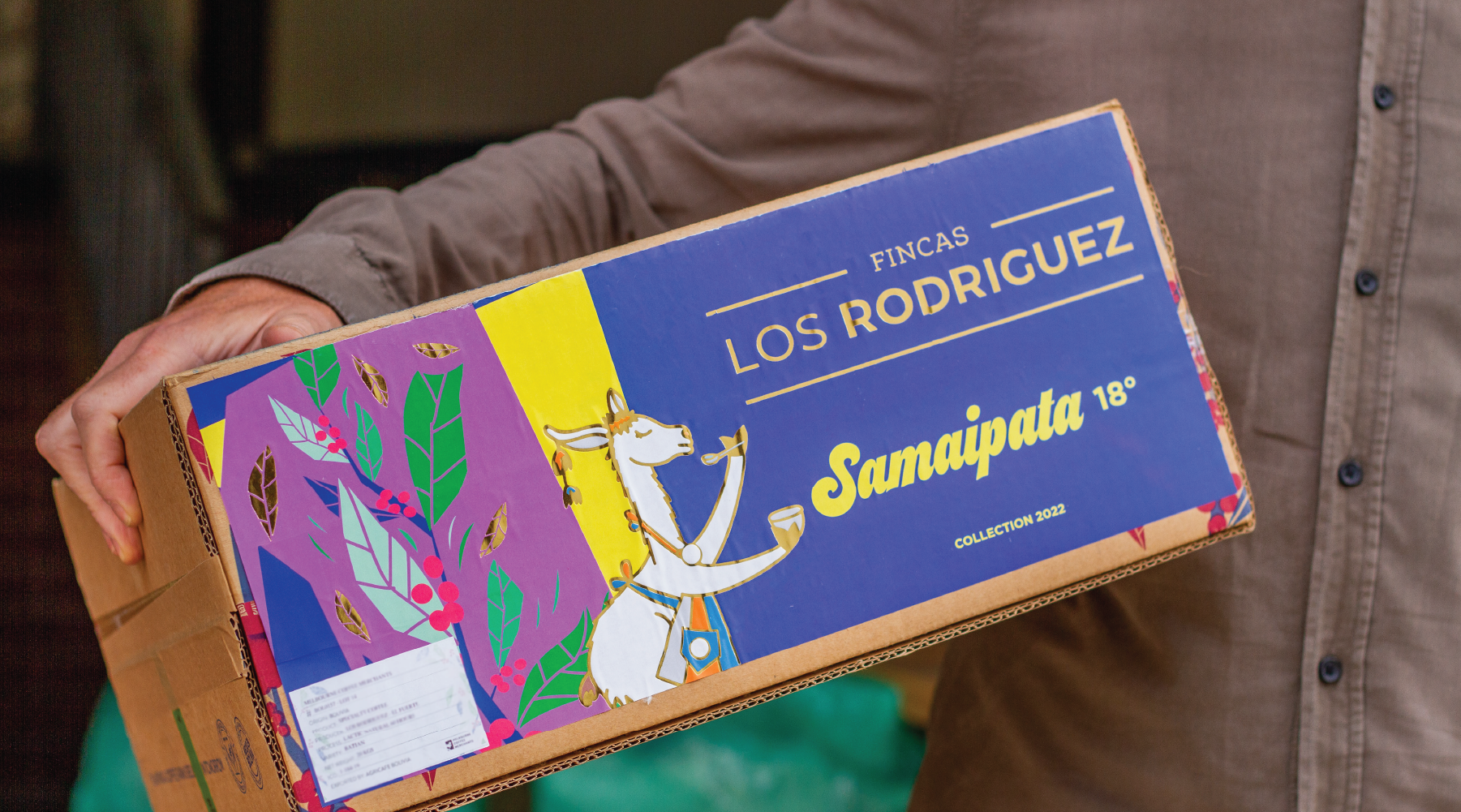
We believe quality isn’t just about the score. Any conversation about what makes great coffee needs to include the price paid to the grower and if they received a fair percentage of the final price. That’s why we publish what we pay for each coffee, as part of a broader push for transparency in the industry.
Why is Specialty Coffee more expensive?
Specialty coffee is more expensive, because farmers get paid more - and that's a good thing.
Much more care (and more cost) goes into every step of the process, from farm to cup. At origin, farmers producing high quality coffee are typically paid more for their coffee than if they were producing commodity grade coffee. This reflects the additional work involved in growing, picking, and processing better coffee, and focusing on quality over quantity.
Unlike commodity coffee which is traded on a market price, specialty coffee pricing is based more on quality, rather than volume alone.
There are also higher costs throughout the rest of the supply chain, including buying smaller coffee lots, meticulous roasting, and a focus on freshness rather than long shelf life.
We publish what we pay for green coffee, through our Transparency Project.
How does Specialty Coffee go from farm to cup?
Specialty coffee goes through several stages before it ends up in your cup, and each stage impacts the final flavour.
-
Sourcing
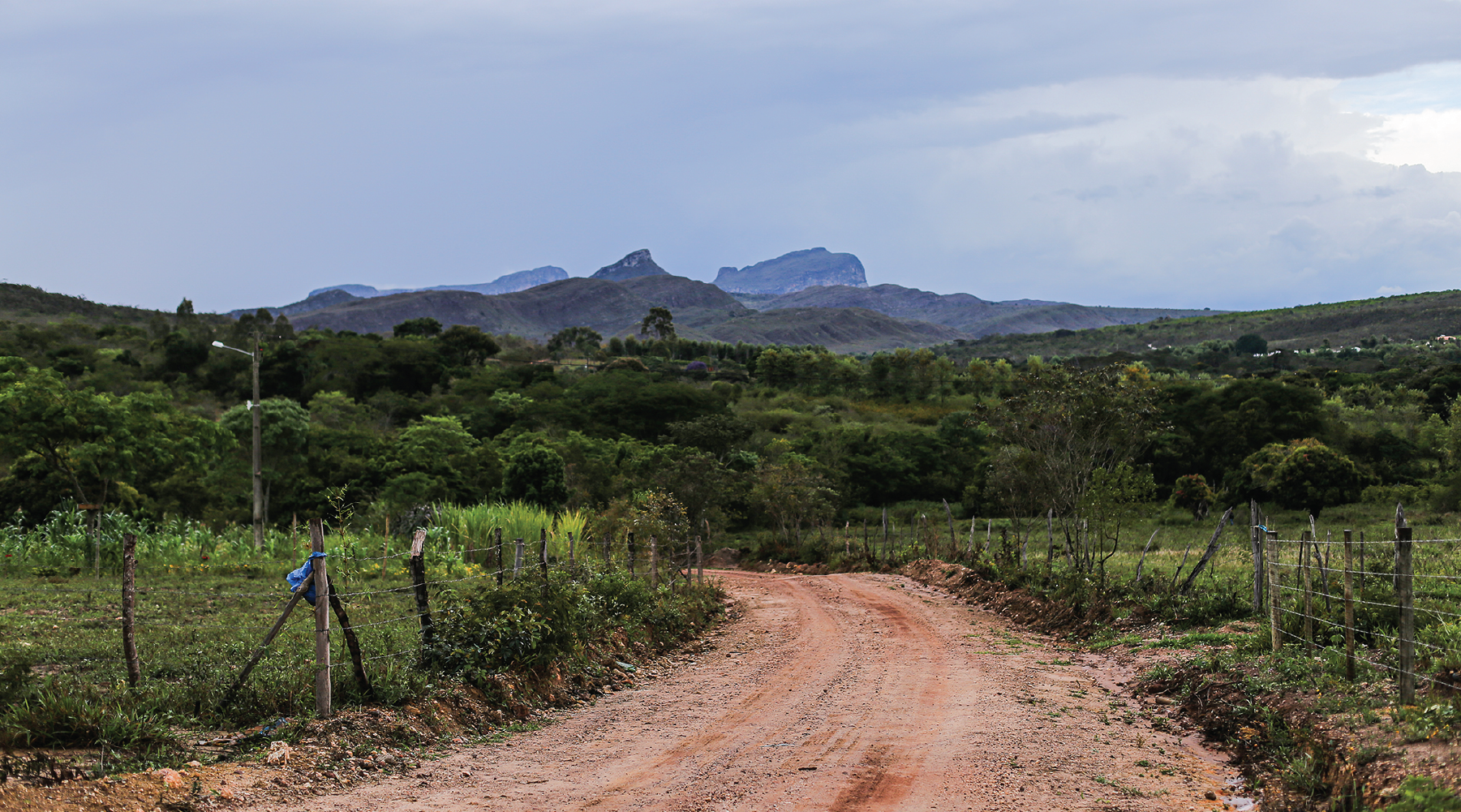
The journey begins at origin, on coffee farms located in the “coffee belt,” a region around the equator that provides the ideal climate and conditions for coffee growing. At Rumble, we work with a selection of terrific coffee farmers from origins like Brazil, Guatemala and Papua New Guinea, focusing on long term relationships, and quality driven sourcing.
For a full look into how we approach coffee sourcing, read our Impact Reports here.
-
Processing
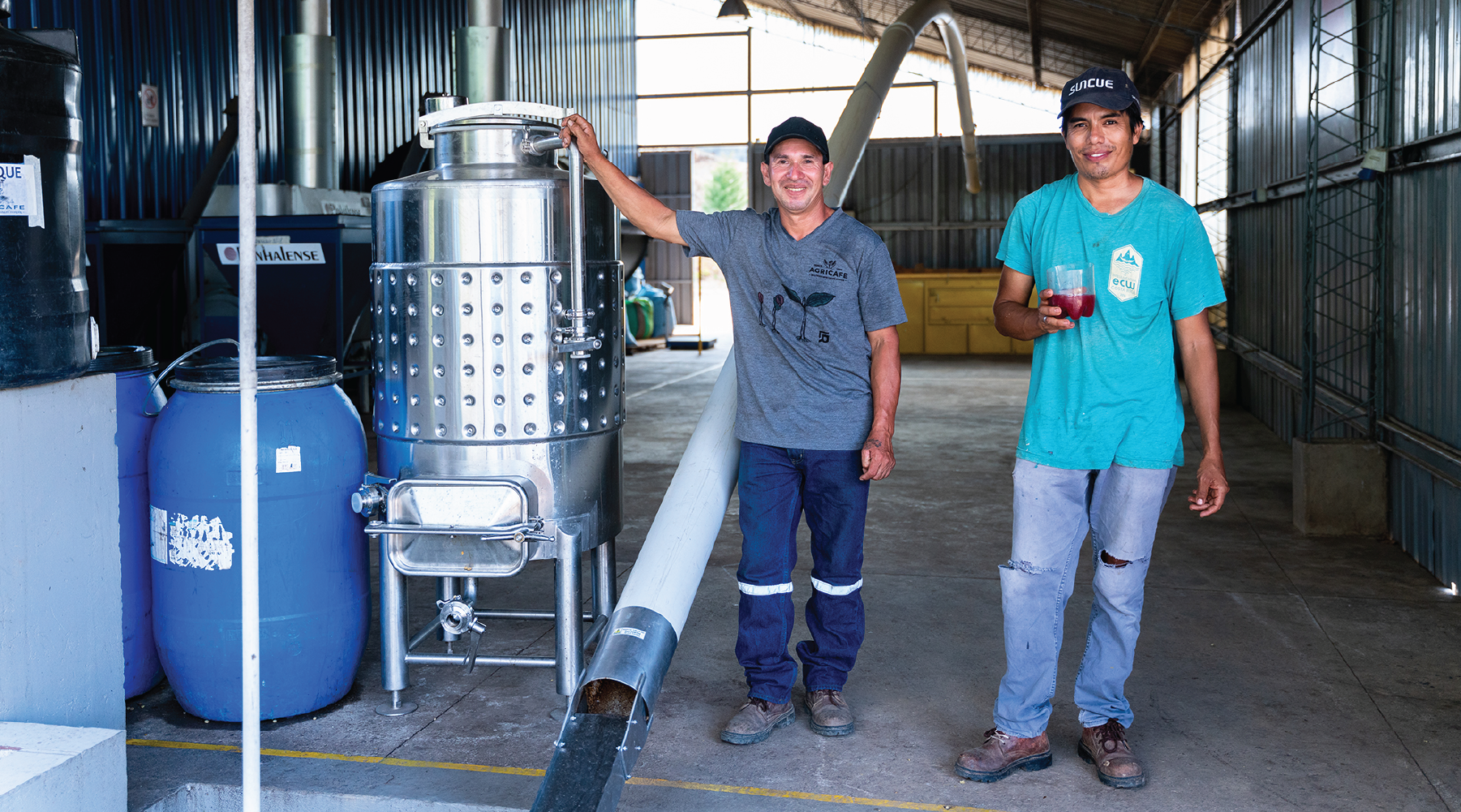
After harvesting, the coffee cherries are processed to remove the fruit and prepare the beans for drying. The processing method is one of the biggest factors influencing how a coffee tastes in the cup.
Common methods include.
- Washed: For clean and bright flavours
- Natural: For deep and intense flavours
- Honey: For sweet and syrupy flavours.
-
Roasting
Roasting is where flavour is developed. At Rumble Coffee Roasters, we roast our beans in small batches on our Probat and Loring roasters, striving to bring out the unique flavours of every single origin. Our roasting philosophy focuses on developing the inherent qualities of the green beans, rather than masking them with a heavy roast.
-
Brewing
The final step is brewing the coffee, and this is where you come in.
Different methods dramatically change how a coffee tastes. To fully appreciate specialty coffee, it’s essential to use the proper brewing method and equipment. We recommend experimenting with various techniques like pour-over, AeroPress, or French press to find the one that best suits your taste buds.
Why Choose Specialty Coffee?
Choosing specialty coffee isn’t just about better caffeine. It’s about better flavour, and better sourcing.
-
Better Flavour
Specialty coffee highlights the natural flavours of the bean, from fruit and florals to chocolate and nuts. Each origin, processing method, and roast level contributes to the distinct taste, allowing you to taste the difference between them, rather than just ‘strong coffee.’
-
Higher Quality Coffee
With rigorous standards set by the SCA, you can trust that specialty coffee represents the highest quality beans available. This means you’re getting a better-tasting, more enjoyable cup of coffee every time.
-
More Transparency (and fairer pricing)
Specialty coffee places a strong emphasis on where coffee comes from, how it’s produced, and how it’s purchased. This includes supporting farmers by paying fair prices, promoting environmentally friendly farming methods, and working towards long-term relationships with producers. At Rumble we go a step further by publishing what we pay for our coffee, so you can see how value is shared between farmer and roaster.
-
A deeper appreciation for coffee
Once you start exploring specialty coffee, you begin to notice how different coffees can taste — turning coffee from a daily habit into something you can actually explore and enjoy.
Where can you buy specialty coffee in Australia?
If you’re looking to try specialty coffee, choosing a roaster that prioritises freshness, transparency, and quality sourcing makes a big difference.
At Rumble Coffee Roasters, we roast and ship specialty coffee from our roastery in Melbourne. Our coffee is roasted fresh, and typically dispatched within 48 hours of roasting, so you’re getting it at its best.
Whether you’re brewing espresso or filter, there’s a coffee to suit your setup.
-
Espresso Blends- are the best thing for the home espresso enthusiast, balanced, reliable and well suited to milk based coffees.
-
Filter Roasts - have a lighter touch for clarity and flavour.
We offer flexible options for how you buy and brew, including one-off purchases, coffee subscriptions , office coffee options and wholesale for cafes.